
Google Nest Thermostat Review: The Smart Choice for Budget-Conscious Homes
The Bottom Line: If you are looking for an honest Google Nest Thermostat Review, here is the short version: The Google Nest Thermostat is a solid entry-level smart thermostat, perfect for those new to smart home tech or on a tight budget. It delivers core smart features and energy savings without the premium price tag, making basic climate control convenient and accessible.

The Claim vs. The Reality
In the world of smart home tech, marketing often paints a perfect picture. Let’s peel back the layers and see how the Google Nest Thermostat truly performs against common expectations.
- The Good: Its core promise of “basic energy saving and convenient control” is genuinely delivered. The intuitive app and simple scheduling make smart home climate management accessible and user-friendly, living up to its entry-level smart thermostat claim.
- The Bad: While positioned as a “smart thermostat,” the implicit expectation of advanced features like multi-room temperature sensing or seamless integration with all major smart home ecosystems (e.g., direct Apple HomeKit support) isn’t fully met without additional hardware or workarounds. This can be a point of friction for users expecting a more comprehensive smart experience.
The Field Test
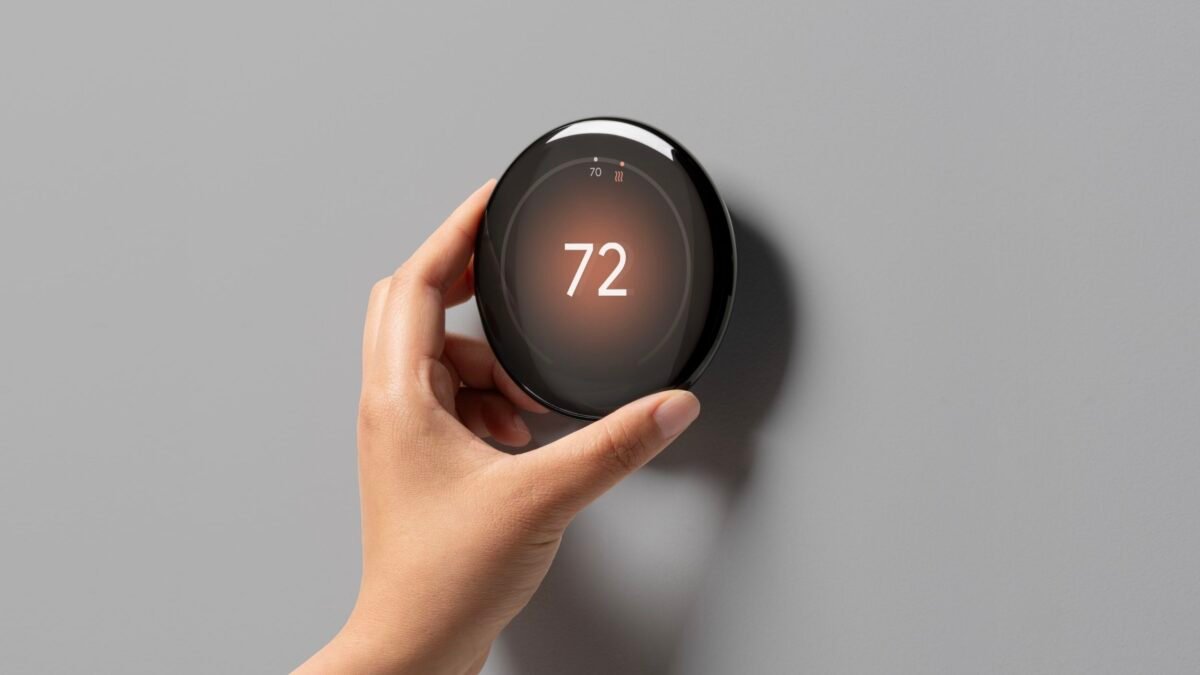
Imagine a busy professional or a young family looking to simplify their home’s climate control without diving into complex programming. The Google Nest Thermostat excels in this scenario. You can easily set up a basic schedule via the Google Home app, ensuring your home is warm when you wake up and cool when you return from work. On a particularly hot or cold day, a quick tap on your phone or a voice command to your Google Assistant (“Hey Google, set the thermostat to 72 degrees”) adjusts the temperature instantly. Its energy-saving features, like turning down the heat when you leave, work quietly in the background, helping to trim utility bills without constant manual intervention. It’s a set-it-and-forget-it solution for everyday comfort.

The Compromises (The Cons)
Every product has its trade-offs, especially when aiming for an attractive price point. Here’s where the Google Nest Thermostat makes its concessions to stay in the budget tier:
- No Remote Sensors: Unlike its pricier siblings or competitors, the Nest Thermostat doesn’t support external remote sensors. This means it can only read the temperature at its immediate location, potentially leading to uneven heating or cooling in larger homes or multi-story dwellings where temperature varies significantly between rooms.
- Limited Learning & Integration: While it offers basic scheduling and energy-saving features, it lacks the advanced AI learning algorithms found in premium models that truly adapt to your habits over time. Furthermore, direct integration with ecosystems like Apple HomeKit requires a separate bridge, adding complexity and cost for some users.
Final Verdict: Who Should Buy This?
Green Light (Buy It): If you are a first-time smart thermostat buyer, live in a smaller home or apartment, primarily use Google Assistant, and prioritize ease of use and basic energy savings on a budget, this is an excellent choice. It’s a straightforward upgrade from a traditional thermostat.
Red Light (Upgrade Instead): If you have a larger home with persistent hot/cold spots, require multi-zone control, are deeply integrated into the Apple HomeKit ecosystem, or demand advanced learning features and detailed energy reports, you’ll find this model too limiting. You’ll quickly hit its ceiling.
Check Best Price on Amazon
The Alternatives
Not sold on the Google Nest Thermostat? Here is how it stacks up against the competition.
If you can stretch your budget, the ‘Ecobee Smart Thermostat Pro’ solves these flaws by offering remote sensors for whole-home comfort, advanced AI learning, and broader smart home compatibility. You can find out more about it here: Ecobee Smart Thermostat Pro on Amazon or read our full review at https://www.thesitestack.com/ecobee-smart-thermostat-pro.